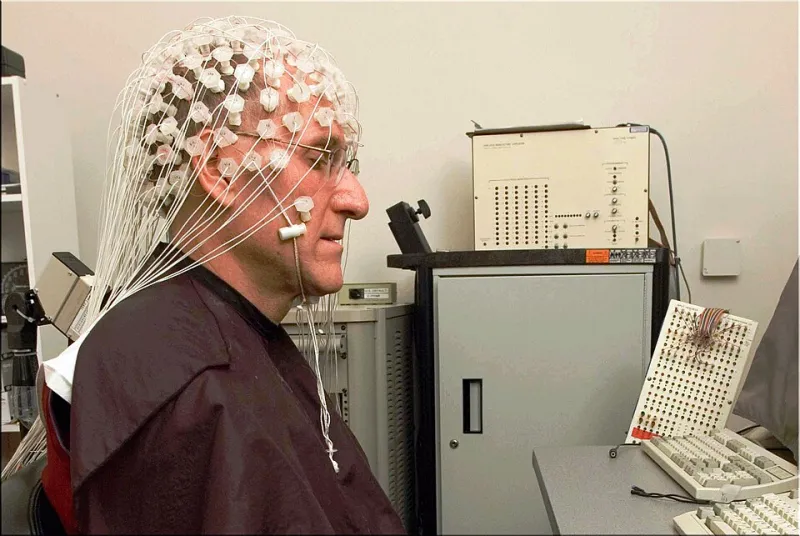
Pulsed Biofeedback Clinic Home

Category

Biofeedback Therapy

17 articles

What Your Coffee Habit Is Hiding: How Caffeine Masks the Signals Your Nervous System Is Trying to Send

What Your Coffee Habit Is Hiding: How Caffeine Masks the Signals Your Nervous System Is Trying to Send

Millions of Americans rely on caffeine to function each morning, yet few realize that daily stimulant use may be suppressing the very physiological signals that biofeedback therapy depends on to detect chronic stress and autonomic imbalance. When patients finally undergo biofeedback assessment without caffeine in their system, the data can be startling. Understanding what caffeine conceals—and what it costs you—may be the first step toward genuine nervous system recovery.
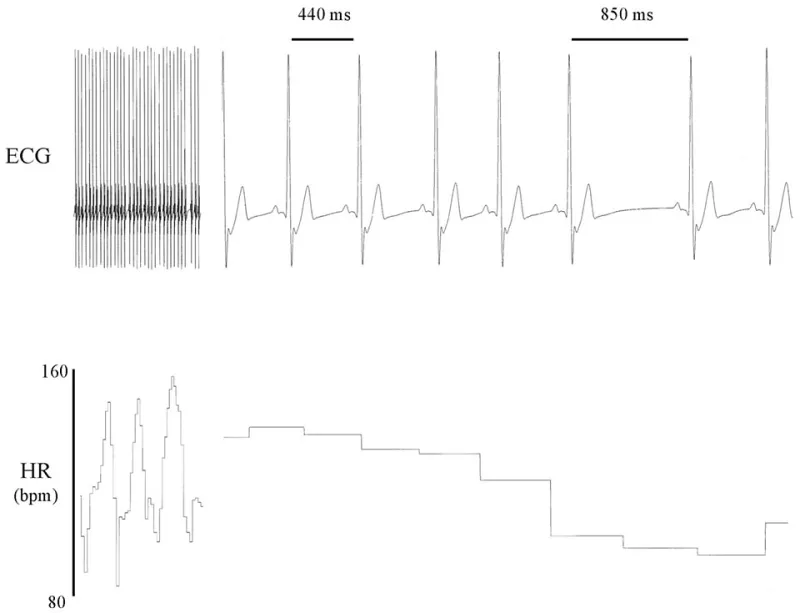

The Recovery Advantage Hidden in Your Heartbeat: What HRV Data Reveals About Who Heals Fastest

The Recovery Advantage Hidden in Your Heartbeat: What HRV Data Reveals About Who Heals Fastest

Heart rate variability has long been studied as a marker of cardiovascular health, but emerging research suggests it may be one of the most reliable predictors of how quickly the body recovers from surgery, illness, and injury. At Pulsed Biofeedback Clinic, we are seeing firsthand how patients who understand their HRV baseline are making smarter, more informed decisions about their own healing timelines. This is the resilience metric most physicians have never discussed with you — and it may cha

Calm Is the New Competitive Edge: What Biofeedback Data Reveals About the Physiology of Peak Performance

Calm Is the New Competitive Edge: What Biofeedback Data Reveals About the Physiology of Peak Performance

American hustle culture has long equated stress and urgency with productivity, but emerging biofeedback evidence tells a strikingly different story. When the nervous system is chronically activated, the very cognitive processes required for deep work and creative innovation are systematically suppressed. Discover how real-time physiological monitoring is helping professionals rewire their approach to performance — from the inside out.

Your Screen Says Productive. Your Nervous System Says Otherwise: Decoding the Hidden Cost of Video Call Culture

Your Screen Says Productive. Your Nervous System Says Otherwise: Decoding the Hidden Cost of Video Call Culture

Millions of Americans end their workday feeling profoundly drained despite spending hours seated at a desk — a paradox that conventional productivity metrics fail to explain. Biofeedback measurements reveal a more complex story, one written in cortisol rhythms, eye strain signals, and social processing load that accumulates invisibly across back-to-back video meetings. Understanding what your physiology is actually doing during virtual work may be the key to reclaiming genuine recovery.

Your Calendar Looks Balanced. Your Nervous System Disagrees.

Your Calendar Looks Balanced. Your Nervous System Disagrees.

Burnout does not always announce itself through obvious overwork or visible collapse. Biofeedback measurements reveal that the physiological signatures of deep nervous system depletion can persist long after a person adopts what appears to be a healthy, balanced lifestyle. Understanding what those markers actually mean—and why they resist surface-level fixes—may be the most important step toward genuine recovery.

When 'Normal' Blood Work Isn't the Whole Story: How Biofeedback Is Giving Women Objective Evidence for Hormonal Symptoms

When 'Normal' Blood Work Isn't the Whole Story: How Biofeedback Is Giving Women Objective Evidence for Hormonal Symptoms

Millions of American women leave their doctors' offices each year with dismissed symptoms and lab results labeled 'within normal range'—yet their bodies tell an entirely different story. Biofeedback technology is now capturing the subtle physiological shifts that accompany hormonal fluctuations, offering measurable, objective data where conventional medicine has long offered only skepticism. For women navigating the complex terrain of cyclical health, this emerging clinical application may repre

Normal Results, Real Suffering: How Biofeedback Detects What Standard Medical Tests Leave Behind

Normal Results, Real Suffering: How Biofeedback Detects What Standard Medical Tests Leave Behind

Millions of Americans leave their doctor's office with a clean bill of health on paper—yet return home to the same exhaustion, pain, and unease they walked in with. Biofeedback technology is illuminating the physiological undercurrents that conventional diagnostics routinely overlook, offering patients a path toward answers they thought they might never find. Understanding this gap between clinical test results and lived experience may be the first step toward genuine healing.

When 'I'm Fine' Is a Lie Your Body Keeps Telling: What Biofeedback Uncovers About Hidden Nervous System Dysregulation

When 'I'm Fine' Is a Lie Your Body Keeps Telling: What Biofeedback Uncovers About Hidden Nervous System Dysregulation

Millions of Americans describe themselves as emotionally stable yet wake each morning exhausted, tense, and inexplicably depleted. Biofeedback technology is revealing a startling truth: the nervous system can become locked in a state of chronic high alert even when the conscious mind registers no distress. Understanding this disconnect may be the key to resolving fatigue and dysfunction that conventional approaches consistently fail to address.

The Quiet Storm Before the Migraine: How Biofeedback Is Catching Warning Signals Hours Before the Pain Begins

The Quiet Storm Before the Migraine: How Biofeedback Is Catching Warning Signals Hours Before the Pain Begins

For millions of Americans living with migraines, the pain often feels like it arrives without warning—but the body tells a very different story. Subtle physiological shifts in muscle tension, skin temperature, and heart rate variability begin hours before the first throb, and biofeedback technology is now capable of detecting them. Understanding these hidden precursors may represent the most significant advancement in migraine prevention in decades.

Your Slouch Isn't a Habit Problem: What Biofeedback Data Reveals About the Body-Mind Architecture of Postural Tension

Your Slouch Isn't a Habit Problem: What Biofeedback Data Reveals About the Body-Mind Architecture of Postural Tension

Conventional ergonomic advice treats poor posture as a mechanical failure — something corrected with lumbar supports and standing desks. Yet real-time biofeedback measurements consistently tell a more complex story, one in which rounded shoulders and a collapsed chest often signal unresolved emotional stress rather than simple muscular laziness. Understanding this connection may fundamentally change how Americans approach both their physical alignment and their mental well-being.

When Every Breath Tells a Story: How Real-Time Respiratory Biofeedback Is Transforming Anxiety Care

When Every Breath Tells a Story: How Real-Time Respiratory Biofeedback Is Transforming Anxiety Care

For millions of Americans living with anxiety disorders, breathing exercises have long been recommended as a first-line coping tool — yet most people find them frustratingly ineffective in the moments they need them most. Real-time respiratory biofeedback is changing that equation by giving patients something traditional techniques never could: objective, moment-by-moment confirmation that their nervous system is actually responding. This article examines the science behind breath-to-brain signa

Before the Flare-Up Arrives: How Biofeedback Is Uncovering the Emotional Roots of Chronic Inflammation

Before the Flare-Up Arrives: How Biofeedback Is Uncovering the Emotional Roots of Chronic Inflammation

Emerging research suggests that chronic inflammation and emotional states are far more intertwined than conventional medicine has traditionally acknowledged. Real-time biofeedback technology is now giving patients a window into this connection, detecting physiological stress responses that may precede autoimmune flare-ups by hours or even days. For Americans living with conditions such as rheumatoid arthritis or chronic fatigue syndrome, this data-driven insight is opening a new frontier in self

Listening to Your Gut: How Real-Time Biofeedback Is Changing the Way Americans Manage IBS

Listening to Your Gut: How Real-Time Biofeedback Is Changing the Way Americans Manage IBS

For millions of Americans living with irritable bowel syndrome, the search for lasting relief has long meant navigating a cycle of prescriptions, elimination diets, and frustration. A growing body of clinical evidence now points to gastrointestinal biofeedback as a meaningful alternative—one that empowers patients to observe and consciously influence their own digestive responses in real time. This article examines how the gut-brain axis is becoming the new frontier of biofeedback therapy.

Feeling Calm Versus Being Calm: Why Wellness Apps Fall Short of True Nervous System Change

Feeling Calm Versus Being Calm: Why Wellness Apps Fall Short of True Nervous System Change

Millions of Americans open meditation apps each morning believing they are actively improving their health, yet the physiological data often tells a very different story. There is a meaningful gap between the subjective sensation of relaxation and the measurable biological shifts that indicate genuine nervous system regulation. Understanding that distinction may be the most important step you take toward lasting wellness.

Brainwaves, Bedtime, and the Future of Sleep: How Real-Time Neural Monitoring Is Giving Chronic Insomniacs Their Nights Back

Brainwaves, Bedtime, and the Future of Sleep: How Real-Time Neural Monitoring Is Giving Chronic Insomniacs Their Nights Back

For millions of Americans trapped in a cycle of sleepless nights and groggy mornings, medication has long been the default answer — but a quieter revolution is unfolding in sleep clinics across the country. Real-time brainwave monitoring through biofeedback technology is offering a fundamentally different path to restorative rest. This deep dive explores the neuroscience, the clinical evidence, and the patient stories reshaping how we understand and treat chronic insomnia.

Beyond the Smartwatch: Why Heart Rate Variability Is the True Measure of Your Nervous System's Resilience

Beyond the Smartwatch: Why Heart Rate Variability Is the True Measure of Your Nervous System's Resilience

Most Americans track their resting heart rate and call it a day—but that single number tells only a fraction of the story. Heart rate variability, a subtler and far more revealing metric, offers a window into your nervous system's actual capacity to handle stress. Learn how biofeedback therapy brings this hidden data to light and puts you in control of your own physiological resilience.

Rewiring Your Nervous System: How Biofeedback Therapy Teaches Your Body to Find Its Own Calm

Rewiring Your Nervous System: How Biofeedback Therapy Teaches Your Body to Find Its Own Calm

The vagus nerve is one of the most powerful — and most overlooked — regulators of human health, governing everything from heart rate to digestion to emotional resilience. Through targeted biofeedback training, patients are learning to consciously activate this internal calming system, reducing anxiety and stress without pharmaceutical intervention. Discover the science, the stories, and the practical steps that make this possible.